Energy Balance: Why Ukraine Exports Electricity During Emergency Blackouts
Despite large-scale infrastructure attacks on November 20 and the implementation of power restrictions, Ukraine continues exporting electricity to Europe to stabilize the grid.
 🧠AI Analysis
Photo: UNIAN
Key points
- There is no generation deficit; the problem lies in the damaged distribution networks.
- Electricity export is a technical necessity to avoid forced power plant shutdowns.
- Russian attacks on November 20 targeted thermal generation and Ukrenergo substations.
A large-scale attack on Ukraine's energy infrastructure on Friday, November 20, triggered emergency power outages across several regions. While the western part of the country faced the most significant restrictions, experts clarify that the issue lies not in a lack of power generation but in the damaged transmission network. The national grid remains capable of producing enough electricity, yet the destruction of key nodes prevents its delivery to households.
Technical Aspects of Energy Distribution
Energy expert Hennadiy Ryabtsev points out that Ukraine continues to export electricity to Europe even during local blackouts. He emphasizes that halting these exports would not restore power to affected areas. Instead, exporting serves as a vital alternative to shutting down power plants entirely.
"Exporting is an alternative to stopping stations. Why stop stations or reduce generation if there is an opportunity to sell electric energy,"Ryabtsev notes, explaining that selling electricity at market prices is essential for maintaining plant operations.
The current situation is characterized by several technical factors:
- Distribution damage: Attacks targeted "Ukrenergo" substations, breaking links between producers and consumers.
- Generation surplus: During daylight hours, renewable and nuclear sources often produce more energy than the grid can distribute internally.
- System balancing: Exporting excess power during off-peak hours helps maintain the technical stability of the entire grid.
Grid Stability and Infrastructure Challenges
Expert Stanislav Ignatyev highlights that Ukraine often experiences a surplus of electricity during the day, which has previously forced engineers to reduce the output of nuclear power plants. Exporting this surplus to neighboring countries at night or during peak production periods prevents dangerous imbalances. MP Serhiy Nahornyak confirmed that recent Russian strikes specifically targeted thermal generation facilities and distribution infrastructure, which are crucial for regional energy flow.
Ultimately, the decision to maintain exports is a strategic one. It allows the energy system to continue functioning without the risk of plant failures that would follow a total shutdown of generation units. For the public, understanding that the bottleneck is in the distribution lines, not the total volume of electricity, is key to assessing the current energy crisis accurately.
Source UNIAN — unian.ua/economics/energetics/eksport-elektroenergiji-z-ukrajini-pr… ↗
Read next
 🛡️Security
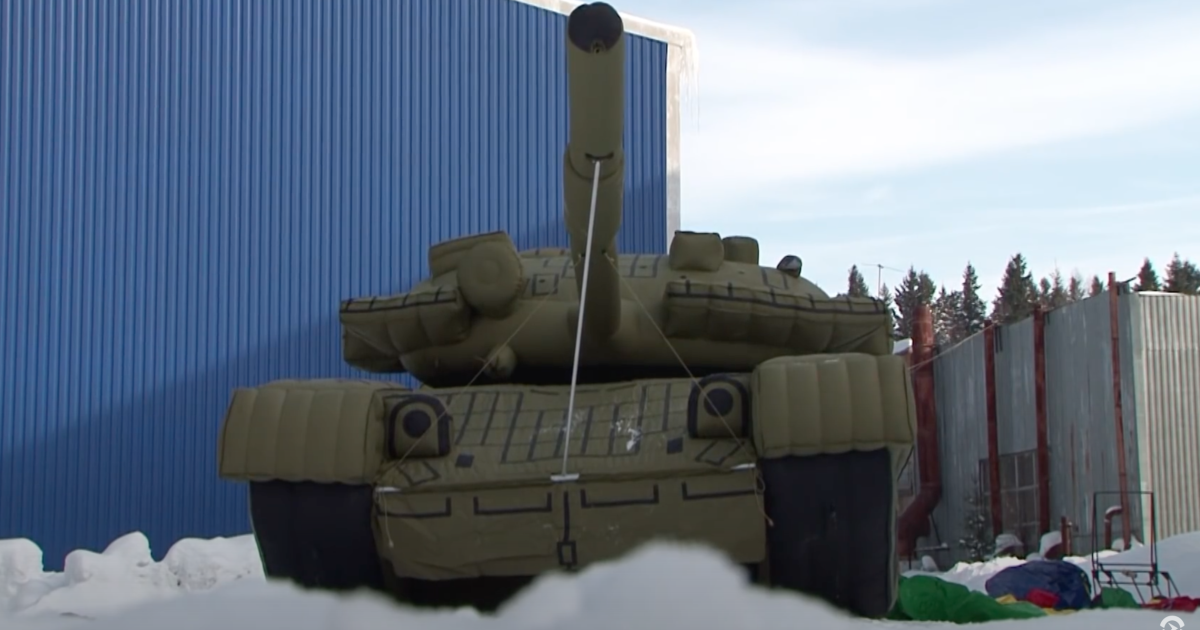
Russia purchases Chinese inflatable military decoys to counter Ukrainian drones
The Russian Federation is mass-ordering realistic inflatable military equipment from China to distract Ukrainian drones from real targets.
 🛡️Security
Ukraine and Norway to Scale Up Production of DESNA Air Defense Systems
Ukraine and Norway are increasing the production of DESNA air defense launchers to counter drone threats.
 🇺🇦Ukraine
Estonia warns against attacks on tankers in the Baltic Sea due to environmental risks
Estonian Prime Minister Kristen Michal stated that the country will not allow its territory to be used for attacks on vessels, citing the threat of environmental disaster…
 🏙️City
Reconstruction of Enerhetykiv Street in Bucha: Mayor comments on construction delays
Bucha Mayor Anatoliy Fedoruk announced the acceleration of works on Enerhetykiv Street following a compromise with the contractor.
 🚨Events
Court upholds detention of woman posing as medic during military facility blockade
The Kyiv Court of Appeal has upheld the pretrial detention of a woman accused of orchestrating provocations at a National Guard unit.
 🛡️Security
Putin threatens 'inevitable response' to attacks on Russian oil refineries
Vladimir Putin has threatened retaliation for strikes on Russian oil refineries, despite calls from Donald Trump to refrain from such actions.