Bioenergy of the future: scientists learn to generate electricity from cacti
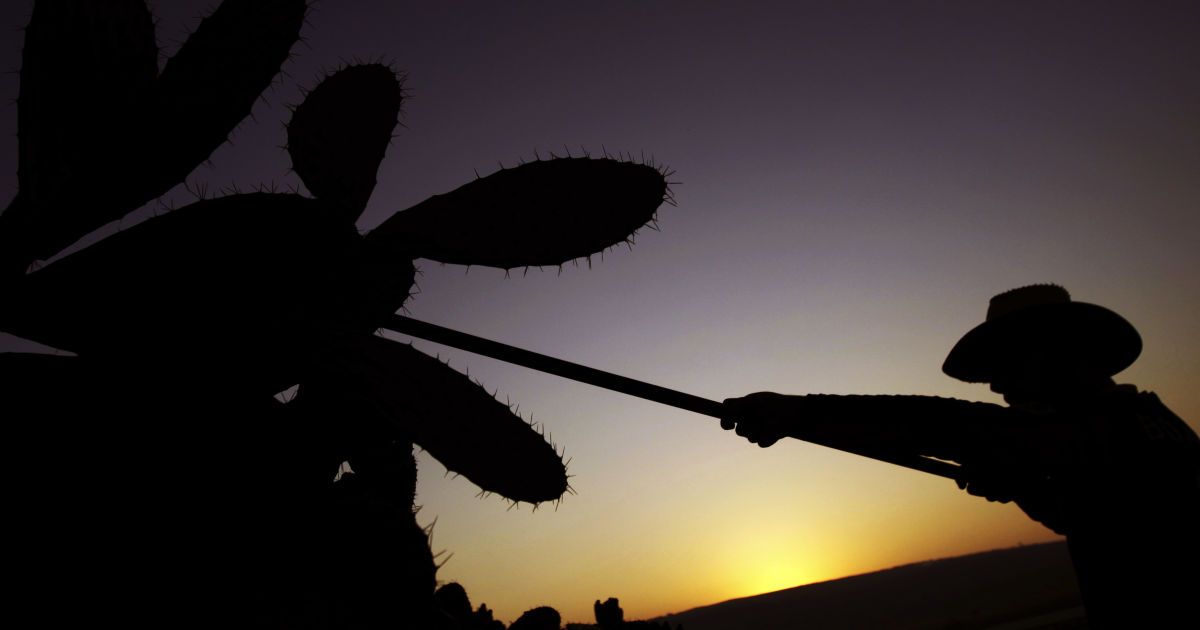
Researchers from the University of California have developed a method to generate electricity using the prickly pear cactus by leveraging its unique photosynthetic mechanism.
 💡Tech
Photo: TSN
Key points
- Opuntia generates current due to a pH gradient
- Technology is based on CAM photosynthesis
- Potential for powering agricultural sensors
An innovative approach to renewable energy
Scientists from the University of California, Santa Cruz, have presented the results of an experiment demonstrating the potential of using plants as power sources. The team, led by Michael Loik and Charlie Chesney, proved that the prickly pear cactus (Opuntia) can generate electrical current due to the specific features of its metabolism.
The technology is based on Crassulacean Acid Metabolism (CAM). This process allows the plant to store carbon dioxide at night, converting it into malic acid. During the day, under the influence of sunlight, a pH gradient arises between the illuminated and shaded parts of the plant, creating electrical voltage.
Practical application and prospects
During tests, researchers were able to generate up to 0.5 volts from a single stem. Combining eight such elements reached 4.5 volts, equivalent to the power of three standard AA batteries. Scientists see this as a promising way to power agricultural sensors.
«We developed a method that allows using the plant's natural processes to obtain renewable energy,» the researchers note.
Beyond its energy potential, the technology allows for monitoring crop conditions. Since voltage levels depend on photosynthesis, they can serve as an indicator of the plant's health and environmental changes.
Source TSN — tsn.ua/nauka_it/roslyna-iaka-vyrobliaye-elektryku-vcheni-zrobyly-nespod… ↗
Read next
 🛡️Security
Russia purchases Chinese inflatable military decoys to counter Ukrainian drones
The Russian Federation is mass-ordering realistic inflatable military equipment from China to distract Ukrainian drones from real targets.
 🛡️Security
Ukraine and Norway to Scale Up Production of DESNA Air Defense Systems
Ukraine and Norway are increasing the production of DESNA air defense launchers to counter drone threats.
 🇺🇦Ukraine
Estonia warns against attacks on tankers in the Baltic Sea due to environmental risks
Estonian Prime Minister Kristen Michal stated that the country will not allow its territory to be used for attacks on vessels, citing the threat of environmental disaster…
 🏙️City
Reconstruction of Enerhetykiv Street in Bucha: Mayor comments on construction delays
Bucha Mayor Anatoliy Fedoruk announced the acceleration of works on Enerhetykiv Street following a compromise with the contractor.
 🚨Events
Court upholds detention of woman posing as medic during military facility blockade
The Kyiv Court of Appeal has upheld the pretrial detention of a woman accused of orchestrating provocations at a National Guard unit.
 🛡️Security
Putin threatens 'inevitable response' to attacks on Russian oil refineries
Vladimir Putin has threatened retaliation for strikes on Russian oil refineries, despite calls from Donald Trump to refrain from such actions.